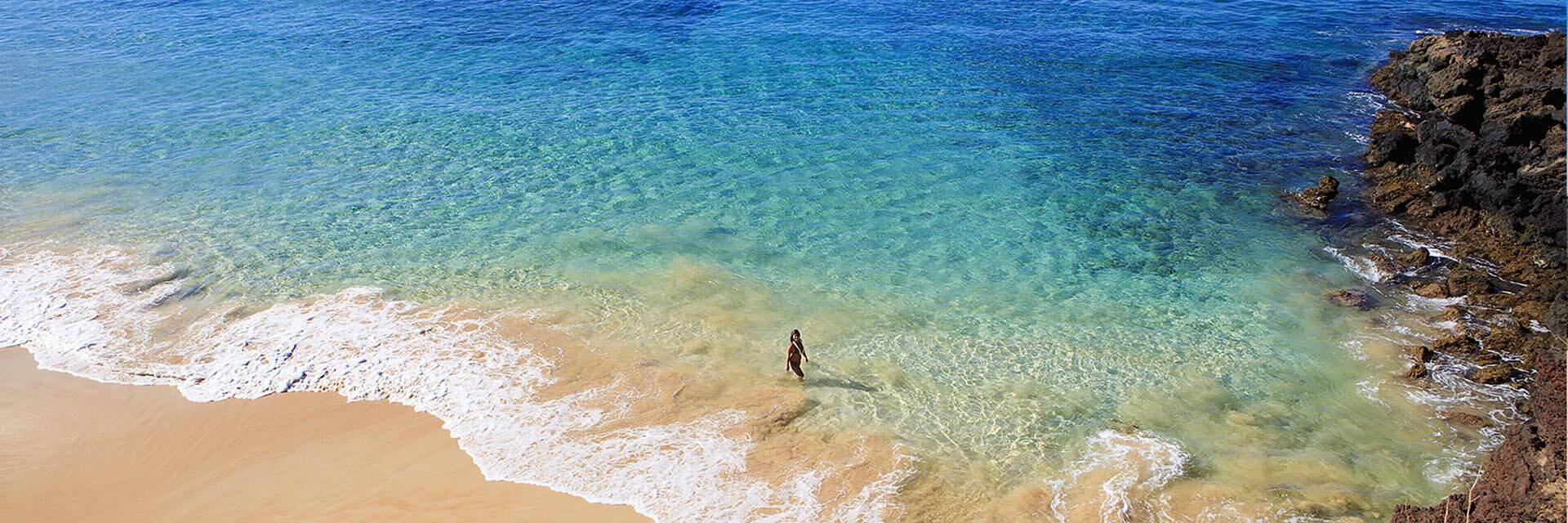


Maui supports both shore and boat diving, but every dive should match the diver’s certification, recent experience, health, equipment familiarity, and the conditions that day. General destination articles cannot determine whether a particular site is appropriate.
Select a qualified operator
Ask the dive operator about certification requirements, group size, guide-to-diver ratio, rental equipment, tanks, weights, transportation, entry method, depth, current, surface conditions, and emergency procedures. New or inactive divers may need a refresher or supervised experience before joining a more demanding trip.
Boat dives can depart from different harbors, and shore dives may involve rocks, surf, limited parking, or a surface swim. Confirm the meeting point and physical demands before reserving.
Discuss health and travel timing
Diving has medical and post-dive travel considerations. Review the Divers Alert Network guidance about flying after diving, and seek appropriate medical advice for health conditions, medications, pregnancy, recent illness, or symptoms. Do not use a vacation article as medical clearance.
Protect Maui’s reefs
Maintain buoyancy, secure gauges and alternate air sources, and never stand on or touch coral. Give turtles, rays, monk seals, and other wildlife space. Follow the guide and all protected-area rules. Visibility and marine life vary with weather, runoff, swell, and season.
Travelers who are not certified can compare instruction with less technical activities such as shore snorkeling or a suitable boat trip. For any ocean plan, current conditions and the least-experienced participant should guide the decision. Never dive alone or beyond training and certification limits.