
logo ×

  • This field is for validation purposes and should be left unchanged.

South Maui Beaches

South Maui’s shoreline changes considerably from North Kihei through Wailea and Makena. This guide helps visitors compare beach settings, access, and practical considerations, but it is not a real-time ocean report. Conditions can change quickly. Follow lifeguards, posted warnings, and official closures, and choose another activity whenever the water exceeds your ability.

Morning often brings lighter wind, but calm water is never guaranteed. Use reef-safe sun protection, keep a respectful distance from marine life, and never stand on coral. For a walk rather than a beach day, see our Kihei and Wailea beach paths guide.

Kihei Beaches

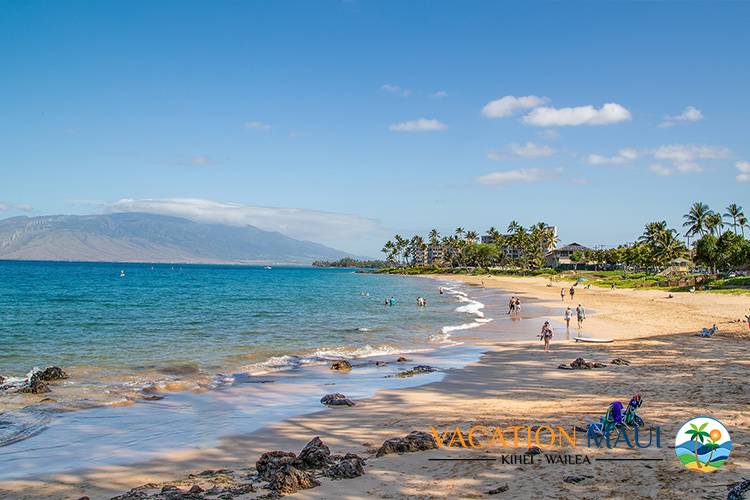
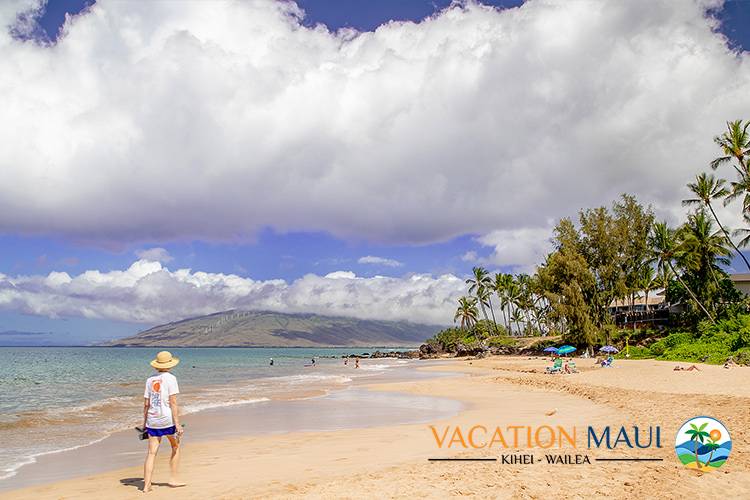
Kihei offers a long, varied shoreline with county beach parks, sandy coves, rocky points, and easy access from South Kihei Road. The three Kamaole beach parks are popular because they combine sand, lawns, and selected public facilities. Charley Young Beach connects to the north end of Kamaole I, while Keawakapu marks the transition toward Wailea.

Parking and facilities vary by beach and may be affected by maintenance or temporary restrictions. Arrive with a backup plan, especially on weekends and holidays. Snorkeling, paddling, and swimming depend on same-day conditions, visibility, surf, and each guest’s ability. Never enter solely because a beach is described as suitable for an activity.

North Kihei, including Sugar Beach, generally feels less resort-oriented and can be windier. Shoreline walking can be rewarding, but sand width, heat, wind, and access conditions vary. Whale sightings may be possible from shore during the season, but are never guaranteed.

Sugar Beach

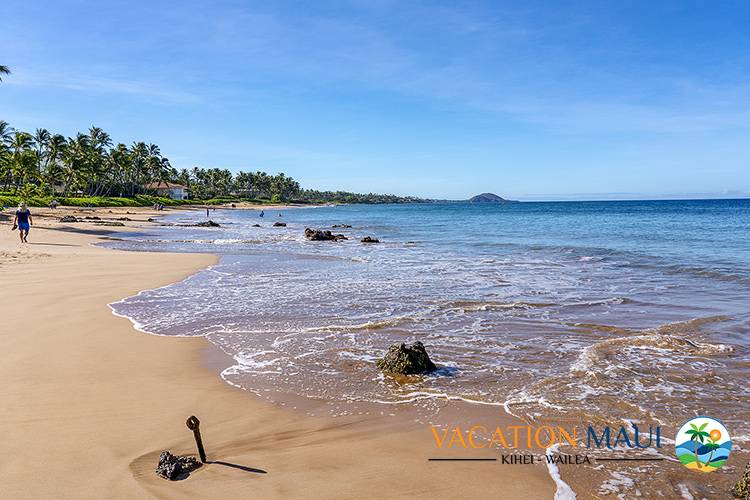
Sugar Beach is a long shoreline along North Kihei that can work well for an early walk when sand and weather conditions allow. Wind, water clarity, heat, and exposed or submerged rocks vary. Use designated access, wear suitable footwear, and do not assume it will be suitable for swimming or snorkeling.

Charley Young Beach

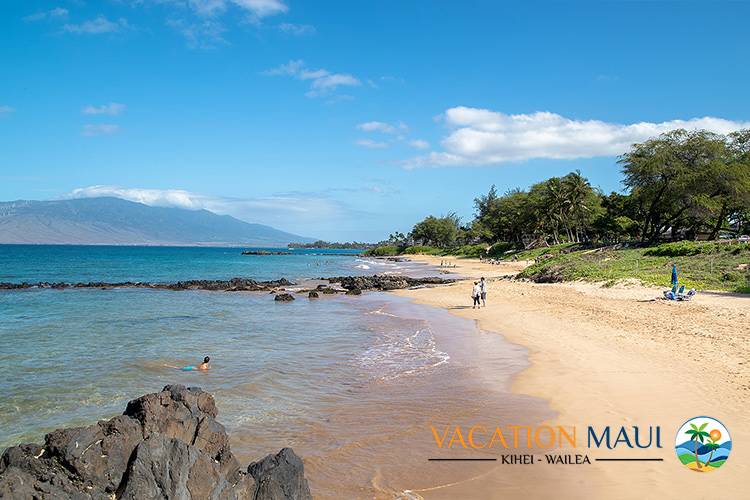
Charley Young Beach is a sandy cove at the north end of Kamaole I. Its access point can feel quieter than the larger beach parks, but parking is limited and ocean conditions remain variable. Families should make decisions based on the water that day, not on a general description of the beach.

Kamaole I Beach

Kamaole I is the northernmost and largest of the three Kamaole beach parks. It offers a broad sandy shoreline and access to nearby food and services. Facilities and lifeguard coverage should be confirmed on arrival. Rocky ends of the beach may attract snorkelers when conditions permit, but visibility and safety are never guaranteed.

Kamaole II Beach

Kamaole II is a sandy beach between rocky points, with access from South Kihei Road. It is smaller than Kamaole I and can still become busy. Check posted warnings and speak with a lifeguard when available before swimming or approaching the rocks.

Kamaole III Beach

Kamaole III combines a sandy cove with a large sloping lawn that is popular for picnics and sunset viewing. The shoreline and rocky points can change character with surf and tide. Observe wildlife from a respectful distance and never approach or feed sea turtles.

Keawakapu Beach

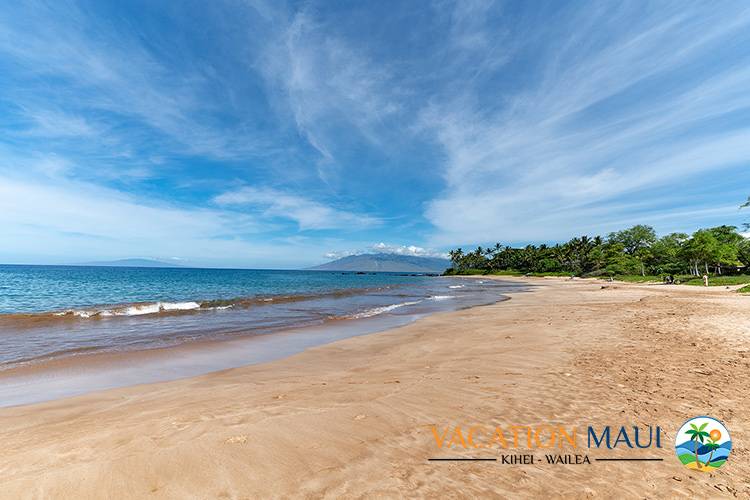
Keawakapu Beach extends between southern Kihei and Wailea, making it a natural bridge between the two areas. Its long sandy shoreline can suit walking when tide and surf allow. Multiple access points serve different portions of the beach. Conditions for swimming, paddling, and snorkeling must be assessed on the day of the visit.

Wailea Beaches

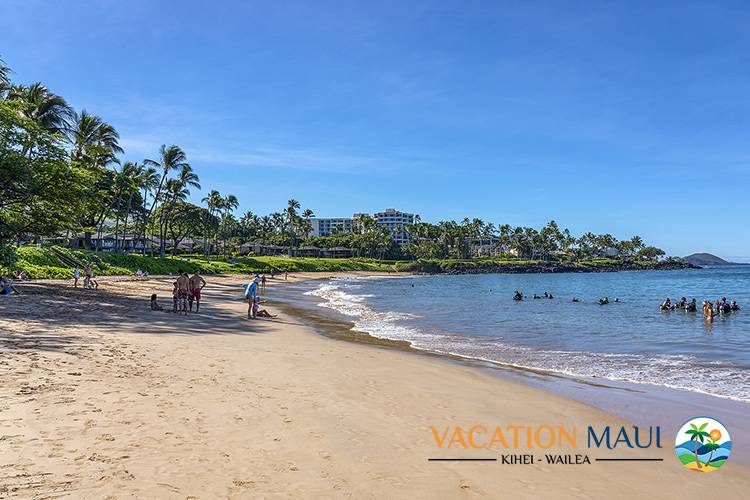
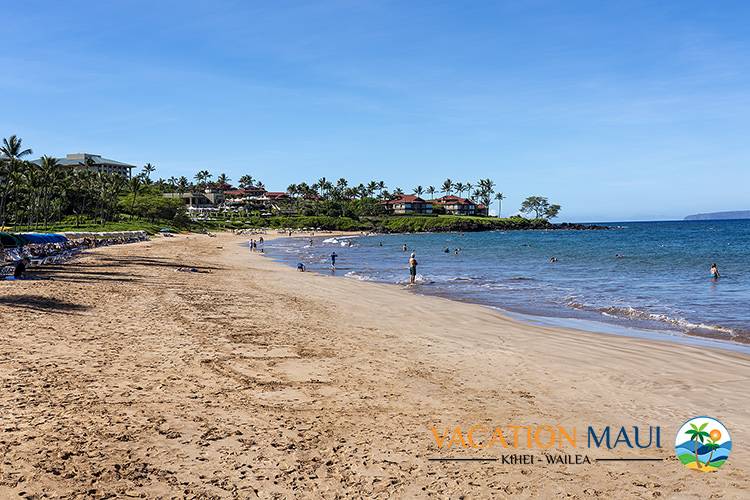
Wailea’s public beaches sit beside resorts, condominiums, and the paved Wailea Beach Path. Designated public parking lots serve several access points, but spaces can fill early. Do not assume that hotel or condominium parking is available to beach visitors.

The Wailea Beach Path links the general areas of Mokapu, Ulua, Wailea, and Polo beaches. It is useful for an oceanfront walk, but slopes, crowds, heat, and connections to sand may affect accessibility. Our separate beach paths guide explains the route in more detail.

Each beach has a different shoreline shape and level of development. Select a location based on current conditions, available parking, and the needs of your group rather than assuming that a familiar beach will look or behave the same every day.

Keawakapu Beach

Keawakapu appears in both the Kihei and Wailea sections because the beach spans the transition between the two communities. Wailea-side access is near the south end of the beach. Parking is limited, and beach width, surf, and visibility vary with weather, tide, and season.

Ulua Beach

Ulua Beach is a sandy cove beside the Wailea Beach Path, separated from Mokapu by a rocky point. A public parking area serves both beaches and can fill early. Divers and snorkelers may use the area when conditions allow, but guests should avoid entries or activities beyond their experience.

Mokapu Beach

Mokapu Beach lies on the other side of the rocky point from Ulua and is accessible from the Wailea Beach Path area. The shoreline can support different activities at different times, but surf, current, visibility, and crowding change. Check the water and posted guidance before entering.

Wailea Beach

Wailea Beach is a broad sandy beach between major oceanfront resorts. Public access and designated parking are available in the area, though spaces can be scarce at busy times. Resort activity can make the beach feel lively. Verify current facility availability and evaluate ocean conditions on arrival.

Makena Beaches

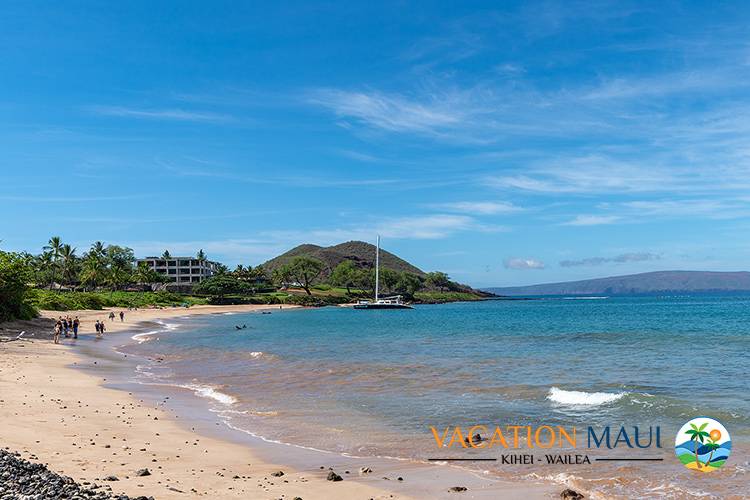
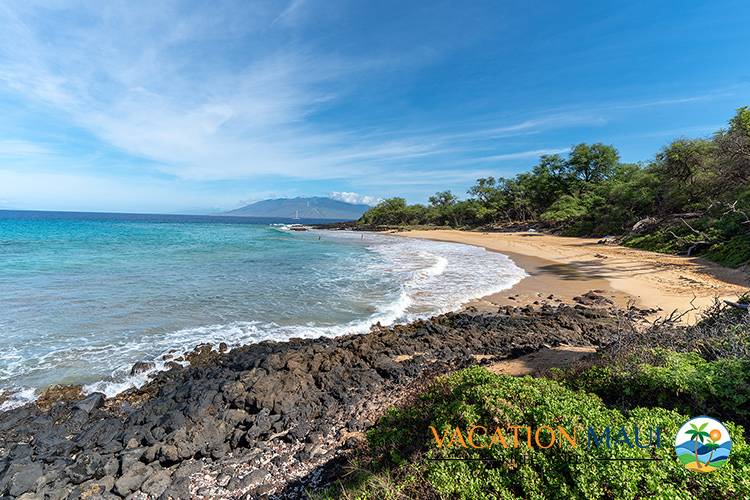
South of Wailea, Makena includes small coves, broad sandy beaches, rocky shoreline, and protected natural areas. Services become less consistent as you travel south, and some locations require more careful planning for parking, heat, uneven ground, and limited facilities.

Makena State Park and the Ahihi-Kinau Natural Area Reserve have rules and access conditions that can change. Check the Hawaii State Parks page for Makena and the state reserve information for Ahihi-Kinau before visiting. Respect closures, designated parking, protected areas, and all posted guidance.

Several Makena shorelines can experience powerful surf, shore break, currents, and rapidly changing conditions. A beautiful appearance is not evidence that the water is safe to enter.

Polo Beach

Polo Beach is a pair of sandy coves near the Fairmont Kea Lani and Polo Beach Club. Sand depth and exposed rock vary. A public access area provides parking and selected facilities, subject to current conditions and maintenance. Stay off wet rocks and assess the water before swimming or snorkeling.

Palauea Beach

Palauea Beach, sometimes called White Rock, has a less developed setting than the central Wailea beaches. Access and roadside parking require attention to signs and private property. Facilities and lifeguard coverage may be limited or absent, so arrive prepared and avoid entering rough or unfamiliar water.

Po'olenalena Beach

Po'olenalena Beach is a sandy Makena shoreline with rocky areas near its ends. It can be attractive for walking and sunset viewing, while water activities depend on surf, wind, current, and visibility. Use designated access and do not rely on weekday timing as a guarantee of light crowds.

Makena Landing

Makena Landing is a small coastal park and a common launch area for kayaks, paddleboards, diving, and snorkeling operators. That activity can make the access area busy. Keep launch lanes clear, use designated parking, and choose any ocean activity according to current conditions and your experience.

Maluaka Beach

Maluaka Beach is a sandy beach in Makena with access points near the north and south ends. Parking is limited and located away from portions of the shoreline. Wind and water conditions can change during the day, so do not assume the ocean will remain calm.

Little Beach

Little Beach is reached from the Makena State Park area by a steep, uneven route over the rocky point from Big Beach. Access rules and park conditions can change. Check the official state park page before visiting, follow posted closures, and do not attempt the route if footing or weather is unsuitable.

Makena Beach - a.k.a. Big Beach

Makena Beach, commonly called Big Beach, is a dramatic and expansive part of Makena State Park. It is also known for powerful shore break and rapidly changing surf. Obey lifeguards and posted warnings, remain out of the water when conditions exceed your ability, and check current state park information before visiting.

Ahihi Bay

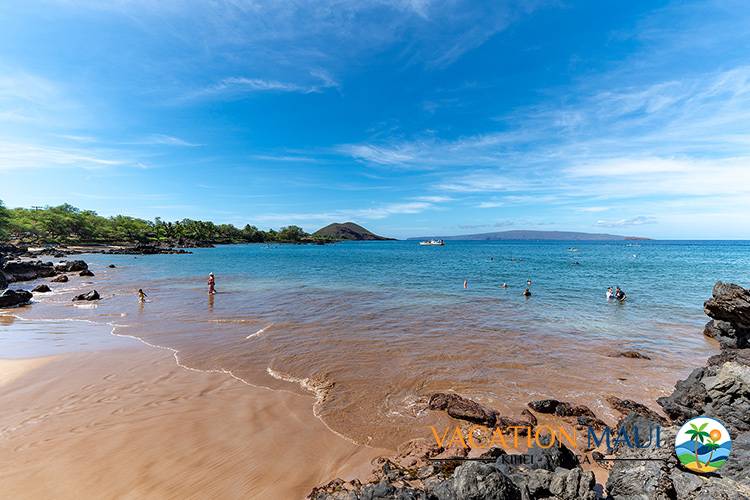
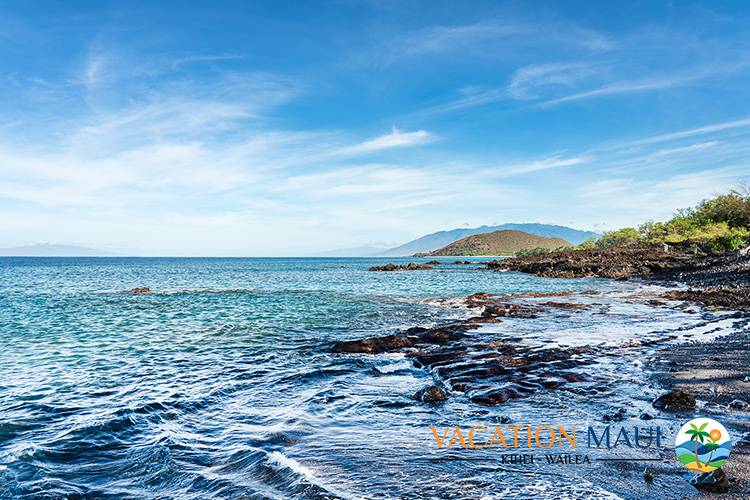
Ahihi Bay is within the Ahihi-Kinau Natural Area Reserve, a protected and predominantly rocky coastal environment rather than a typical sandy beach. Review current reserve rules before visiting, use only designated access and parking, and never stand on or touch coral. Snorkeling should be attempted only when conditions and ability are appropriate.
contact us find your rental